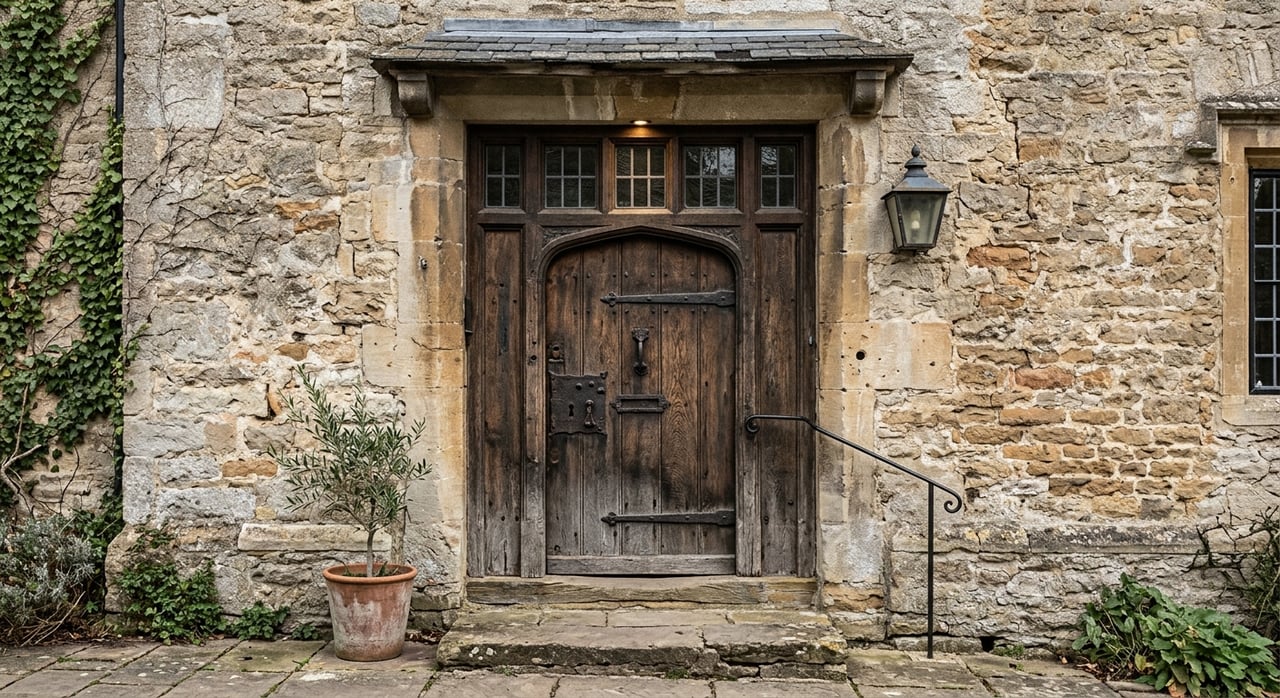
Trying to choose between a storybook bungalow and a polished new build in Winter Park? You are not alone. Many buyers love the city’s brick-lined streets, lakes, parks, and distinctive architecture, but they also want a home that fits their day-to-day life without surprises. This guide will help you compare historic charm and newer construction in Winter Park so you can make a smarter, more confident move. Let’s dive in.
Why Winter Park Makes This Choice Unique
Winter Park is not a place where old and new feel disconnected. The city is known for its trees, parks, lakes, traditional streetscapes, Park Avenue, and Rollins College, and local planning efforts focus on preserving character while still allowing the city to evolve.
That matters when you buy here. In many markets, the choice is simply older home versus newer home. In Winter Park, the real choice is often character and context versus predictability and simpler near-term ownership.
What Historic Homes Offer in Winter Park
Winter Park’s historic housing includes estates, bungalow neighborhoods, grove houses, and winter cottages dating from the late 1800s through the Florida Land Boom era. The city has recorded more than 700 historic structures, and common architectural styles include bungalow, Colonial Revival, Spanish Colonial, Mediterranean Revival, and Mission Revival.
If you are drawn to historic homes, you are usually buying more than square footage. You are also buying original design, established streetscapes, and a sense of continuity with the surrounding neighborhood.
The appeal of architectural character
Historic homes in Winter Park often stand out because they feel hard to replicate. Details like original proportions, mature lot settings, and period architecture can create a living experience that feels more rooted and distinctive than a typical newer property.
The city also notes interior elements such as heart pine floors, cypress paneling, and built-ins as features buyers may want to preserve during remodeling. Even though interior changes are not part of historic review, those details can influence how you plan updates.
What preservation rules mean for buyers
Winter Park’s historic designation rules are more flexible than some buyers expect. Local historic designation is an overlay to zoning, does not require you to restore the property, and does not review interior remodeling.
Still, exterior changes matter. Additions and exterior work must be compatible with the existing architecture, and projects may require variances or review. If a home sits in a historic district, new construction and exterior changes are expected to complement traditional neighborhood patterns rather than copy them exactly.
When a historic home is the right fit
A historic home may be a great fit if you value charm, original details, and neighborhood character enough to accept more planning on the front end. It can also work well if you are comfortable asking extra questions before you buy and taking a more thoughtful approach to future renovations.
In Winter Park, that extra planning is important. Before you fall in love with a facade or front porch, it helps to understand what the city will allow if you want to expand, rework the exterior, or make major changes later.
Why Newer Homes Appeal in Winter Park
Newer construction attracts buyers for practical reasons. Many people want cleaner lines, a more current layout, and less uncertainty about major systems in the first few years of ownership.
That logic applies in Winter Park too. The city is still evolving, and planning materials note that some older homes are vulnerable to demolition and replacement, while newer areas continue to reflect growth and change.
The advantage of more predictable systems
For many buyers, the biggest draw of a newer home is reduced unknowns. A home with newer roofing, electrical, plumbing, HVAC, and structural components may offer a more predictable ownership experience, especially if you do not want to tackle repairs soon after closing.
That does not mean new construction is simple. Winter Park’s permit requirements for new construction, additions, and major alterations show that even newer homes involve serious coordination, including sealed plans, energy-efficiency calculations, surveys with tree information, setback and lot coverage calculations, drainage details, and other project documentation.
New does not always mean disconnected
In Winter Park, newer construction can still be shaped by neighborhood context. If a new home is in a historic district, the Historic Preservation Board may review the exterior work.
The city says infill design should reflect themes like height, materials, roof form, massing, setbacks, and the rhythm of openings. So if you are buying a newer home, it may still be closely tied to the look and scale of the surrounding streetscape.
When a new build is the right fit
A newer home often makes sense if your priority is convenience, lower short-term maintenance risk, and a more straightforward ownership path. It can be especially appealing if you want Winter Park’s location and atmosphere without taking on a substantial renovation roadmap.
This option may also be attractive if you are relocating and want a smoother transition. When you are moving on a timeline, fewer immediate repair questions can make a big difference.
The Real Tradeoff: Lifestyle and Risk Tolerance
In Winter Park, the choice is rarely about which type of home is better overall. It is about which tradeoffs line up best with your priorities.
A historic home may give you more character and stronger architectural identity. A newer home may give you more predictability and fewer near-term decisions. Both can be strong choices if you buy with a clear plan.
Costs and Maintenance to Think Through
No matter which direction you lean, ownership costs in Winter Park deserve close attention. The city’s inspection guidance shows recurring issues in building, plumbing, gas, electrical, air conditioning, and mechanical categories.
That is especially relevant when comparing an older bungalow or estate home with newer construction. The age and condition of major systems should be part of your decision, not an afterthought.
Older homes may need deeper due diligence
With older properties, due diligence should go beyond a general impression of charm. You will want a clear picture of the roof, electrical system, plumbing, HVAC, and structural condition, especially if the home has been altered over time.
It is also smart to confirm whether prior additions, exterior changes, or demolition work were properly permitted and documented. In a city with established preservation standards and detailed permitting requirements, paperwork matters.
Trees, lakes, and site issues can affect cost
Winter Park’s character is tied closely to its natural setting, and that can affect what ownership looks like. The city has an Urban Forestry program, and certain tree removals require permits.
If a property is on a lake or canal, shoreline permits and board approvals may also come into play. Docks and boathouses require site plan approval before a building permit is issued, so waterfront buyers should ask extra questions early.
A Smart Buyer Checklist for Winter Park
Before you choose a historic home or a newer build, use a local checklist that reflects how Winter Park actually works:
- Is the home in a local historic district, on the Winter Park Register of Historic Places, or otherwise subject to Historic Preservation Board review?
- Were prior additions, exterior changes, or demolition work permitted and documented?
- What is the age and condition of the roof, electrical, plumbing, HVAC, and major structural systems?
- If you want to expand or rebuild later, what survey, setback, lot coverage, tree, drainage, or demolition requirements should you expect?
- If the home is on a lake or canal, what shoreline, dock, or site approvals may be needed before future work begins?
How to Decide With Confidence
If you love timeless architecture, original details, and the feel of an established streetscape, a historic home may be the better match. You just want to pair that emotion with careful due diligence and a realistic renovation plan.
If you want a more turnkey experience and fewer questions about major systems, a newer home may fit your life better. That can be especially helpful if you are balancing work, family logistics, or a relocation timeline.
The best decision usually comes down to how you want to live, what level of uncertainty you are comfortable with, and how much planning you want to take on after closing. In Winter Park, both paths can lead to a great outcome when you understand the local rules, costs, and design context before you buy.
If you want help weighing historic charm against newer construction in Winter Park, Nick Amburgey offers responsive, high-touch guidance to help you compare options, spot red flags, and move forward with confidence.
FAQs
What should buyers know about historic homes in Winter Park?
- Historic homes in Winter Park often offer distinctive architecture and original details, but exterior changes and additions may need to meet local compatibility standards and review requirements.
What makes newer homes appealing to Winter Park buyers?
- Newer homes often appeal because they may offer a more predictable systems profile, a more current layout, and less near-term renovation planning.
What should Winter Park buyers ask before buying an older home?
- You should ask about the condition of major systems, whether past work was permitted, whether the property is subject to historic review, and what future expansion rules may apply.
Do new builds in Winter Park still face design rules?
- Yes. New construction can still be shaped by local permitting requirements, and if the property is in a historic district, exterior design may be reviewed for compatibility with the surrounding area.
What extra issues matter for waterfront homes in Winter Park?
- Waterfront buyers should ask about shoreline permits, board approvals, and whether future dock or boathouse work would need site plan approval before permits are issued.