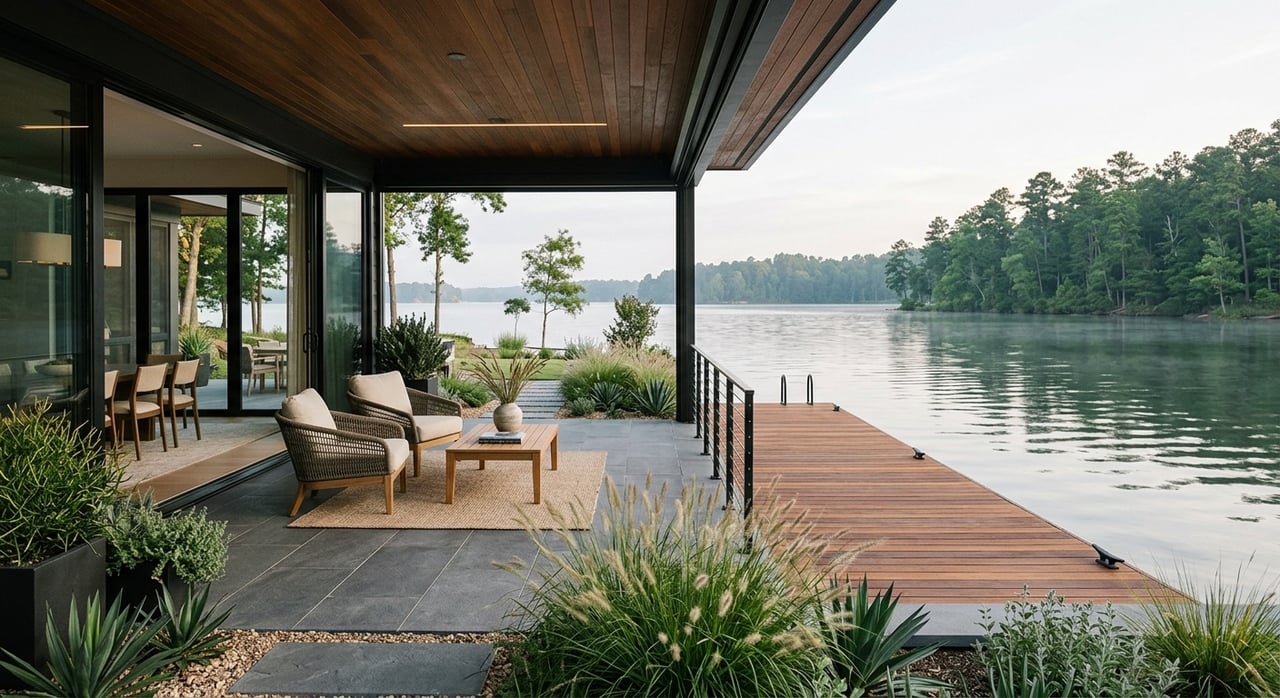
If your idea of home includes sunrise boat rides, paddleboard evenings, and water views that shape your daily routine, Belle Isle deserves a closer look. Living on or near the Lake Conway chain can feel peaceful and recreational, but it also comes with real planning around access, permits, maintenance, and flood awareness. This guide will walk you through what everyday waterfront living in Belle Isle actually looks like, so you can make a smart move with clear expectations. Let’s dive in.
Belle Isle has a lake-centered identity
Belle Isle is not just a city with some waterfront homes scattered around it. It was incorporated in 1924, and city documents describe it as a residential community focused on protecting Lake Conway and the surrounding chain of lakes for about 7,000 residents. That lake-first mindset still shapes daily life today.
If you are thinking about buying here, it helps to understand that waterfront ownership is part lifestyle and part stewardship. Orange County’s Lake Conway Water and Navigation Control District regulates shoreline changes, water levels, and boating and navigation activity. In other words, owning on the water in Belle Isle means enjoying the lakes while also working within public rules designed to protect them.
Daily life on the lakes
Parks and launch points matter
One of the biggest benefits of Belle Isle is how closely everyday life connects to the water. The city lists 15 parks and four boat ramps, including beaches, pocket parks, and Warren Park, which includes a canoe launch. That creates a strong sense of access, even if you do not own a large stretch of shoreline.
Still, not every access point works the same way. Perkins Ramp requires Belle Isle resident decals for parking, costs $50 per year, and only allows launching and recovery from sunrise to sunset. Venetian Ramp has no public parking, while Randolph and Ferncreek are operated by Orange County.
That means your experience can vary a lot depending on where you live and how you plan to use the lake. A home with private dock access offers one kind of convenience, while a home that relies on a nearby public or county-operated ramp offers another. For many buyers, this is where lifestyle goals and budget start to meet reality.
Lake living follows a schedule
Belle Isle waterfront life often runs on daylight and planning. If you picture spontaneous late-night launches or unrestricted ramp access, you may need to reset expectations. In Belle Isle, early mornings, daylight windows, and gear checks are part of the rhythm.
The city’s boating safety guidance also makes clear that the lakes are actively monitored. Belle Isle police patrol Lake Conway with marine enforcement assets and perform safe-boating inspections. Personal watercraft cannot be operated from one-half hour after sunset to one-half hour before sunrise, and paddleboards are treated as vessels with specific equipment requirements.
If you use a paddleboard, you need a USCG-approved life jacket and a sound-producing device. At night, a flashlight or lantern is also required. These details may seem small, but they are part of what everyday waterfront living looks like here.
Not all waterfront homes are the same
Lakefront, canal frontage, and shared access
One of the most important things to know about Belle Isle is that “waterfront” can mean several different things. Some homes offer direct frontage on Lake Conway or the larger Conway chain. Others sit on canals, and some properties support a lake-oriented lifestyle through neighborhood or nearby ramp access rather than private shoreline.
That difference matters for both lifestyle and long-term cost. True lakefront may offer the easiest path to a dock, lift, or direct boating access, but it can also bring more shoreline responsibility. Canal frontage may still support boating and water views, but the experience can feel different from being directly on the main lake.
For buyers, the key is to define what waterfront means to you before you start touring homes. If your top priority is quick boat access, private shoreline features may matter most. If you mainly want proximity to the water, parks, and launch points, a non-lakefront home nearby could still fit your goals.
Features buyers often see
Belle Isle waterfront listings commonly highlight features tied to outdoor living and water access. These often include private docks, boat lifts, boathouses, pools, screened lanais, canal frontage, kayak launches, and outdoor entertaining areas. Some properties may also advertise private ramps or gated boat access.
These features can be appealing, but they should also prompt practical questions. How old is the dock or lift? Was it permitted properly? How much shoreline upkeep will be needed over time?
In a market like Belle Isle, attractive waterfront features can absolutely add value to your experience. At the same time, the best purchase decisions usually come from understanding what those features require after closing, not just how they look on showing day.
Waterfront ownership includes permits and planning
Dock and shoreline rules
In Belle Isle, waterfront improvements usually involve Orange County review. According to county guidance, a new dock requires an EPD permit before a building permit. Shoreline projects such as seawalls, dredging, filling, or sand pumping may also require a permit and public hearing.
The county lists a $119 dock application fee and a $126 lakeshore protection permit fee. Those numbers may not be the biggest cost in a waterfront project, but they are a reminder that improvements often involve both time and process. If you are buying a property with future plans, it is smart to factor permitting into your timeline from the start.
Living shorelines and vegetation rules
Orange County’s lakeshore guidance is also important for owners who want to manage views, access, or shoreline vegetation. Homeowners can maintain a vegetation-free access corridor of 30 feet or 20% of the shoreline, whichever is greater, without a permit. Boat docks must be placed within that corridor, and native replanting is required outside the corridor when vegetation removal is approved.
The county also says nuisance or invasive plant removal may require a shoreline vegetation permit, and native trees cannot be removed. Belle Isle reinforces the same stewardship mindset by encouraging shoreline planting, careful stormwater habits, and lake-friendly torpedo-grass control to help protect water quality.
For you as a homeowner, this means shoreline ownership is active, not passive. The lake behind your house may feel private in daily use, but it still sits within a shared environmental system that the city and county work to protect.
Budgeting for the real cost of waterfront living
Flood risk can change carrying costs
Waterfront budgeting in Belle Isle goes beyond your mortgage payment. Flood planning is a major part of the ownership picture, and two homes with similar prices can carry very different monthly costs depending on elevation, flood zone, and mitigation.
Orange County advises owners to check FEMA flood maps or county tools, and the county notes that properties outside the Special Flood Hazard Area are not guaranteed safe from flooding. FEMA also states that flood insurance is not part of a standard homeowners policy, should be reviewed every year, and can be required in high-risk zones if you have a government-backed mortgage.
Another important detail is that FEMA reports 1 in 3 flood claims come from low- and moderate-risk zones. Orange County also says its Community Rating System is Class 5, which can result in a 25% flood insurance discount for insured properties. For buyers comparing homes, that makes flood due diligence an essential part of the decision, not a last-minute box to check.
Utilities and ongoing ownership costs
Your regular monthly costs matter too. Current city bid documents state that water and wastewater are provided by Orlando Utilities Commission and electricity is provided by Duke Energy. That means your ownership budget should account for utilities alongside mortgage, insurance, and maintenance.
For waterfront properties, maintenance may also include dock upkeep, landscaping, shoreline care, and repairs related to weather exposure. Even if you love the lifestyle, it is wise to go into the purchase with a realistic picture of recurring expenses.
How to shop smarter in Belle Isle
Match the home to your routine
The best Belle Isle home for you depends on how you plan to use the water. If you want frequent boating with minimal friction, direct lake or canal access may be worth the premium. If you are more interested in views, nearby parks, and occasional recreation, you may find better value in a home that is close to the lakes without being directly on them.
Try to think through your real weekly habits, not just your ideal weekend. How often will you launch a boat? Do sunrise-to-sunset ramp windows fit your schedule? Would a canoe launch, beach park, or nearby public access meet your needs without the added work of full waterfront ownership?
Ask practical questions early
When you tour homes in Belle Isle, ask questions that go beyond finishes and views. Find out what type of water access the property offers, whether existing shoreline features were properly permitted, and what flood-related costs may apply. If the home has a dock, lift, or seawall, make those items part of your evaluation early in the process.
A great waterfront purchase usually comes from balancing emotion with details. The view may bring you in, but the right questions help you buy with confidence.
Why Belle Isle stands out
Belle Isle offers something many buyers want but few areas deliver in such a compact setting. You are close to Orlando, yet daily life can still revolve around parks, launches, shoreline views, and the rhythm of the Conway chain. That mix of convenience and recreation is a big reason the area continues to attract buyers who want more from everyday life.
At the same time, Belle Isle is not a carefree version of waterfront living. It is a place where boating, access, regulation, and environmental care all intersect. If that balance appeals to you, Belle Isle can be a very rewarding place to call home.
If you are considering a move in Belle Isle, it helps to work with someone who can look past the view and help you evaluate the full picture. From comparing access types to weighing carrying costs and resale potential, the right guidance can make your search much more focused. When you are ready to explore Belle Isle waterfront homes or prepare your current home for sale, connect with Nick Amburgey for a personalized consultation.
FAQs
What is waterfront living like in Belle Isle, Florida?
- Waterfront living in Belle Isle centers on the Lake Conway chain and often includes boating, paddleboarding, park access, and outdoor living, along with rules around ramp access, boating safety, shoreline care, and permits.
Are all Belle Isle waterfront homes directly on Lake Conway?
- No. In Belle Isle, waterfront can include direct lakefront, canal frontage, or homes with nearby ramp or lake access, and each option offers a different level of convenience, cost, and maintenance.
Do Belle Isle boat ramps have restrictions?
- Yes. Access varies by ramp. For example, Perkins Ramp requires a Belle Isle resident parking decal, charges an annual fee, and allows launching and recovery only from sunrise to sunset, while other ramps are operated differently.
Do you need permits for docks or shoreline work in Belle Isle?
- Yes. Orange County says a new dock needs an EPD permit before a building permit, and shoreline projects such as seawalls, dredging, filling, or sand pumping may also require permits and sometimes a public hearing.
How should buyers budget for a Belle Isle waterfront home?
- Buyers should look beyond the purchase price and account for flood insurance needs, utilities, shoreline maintenance, dock upkeep, and any future permitting or improvement costs tied to waterfront ownership.