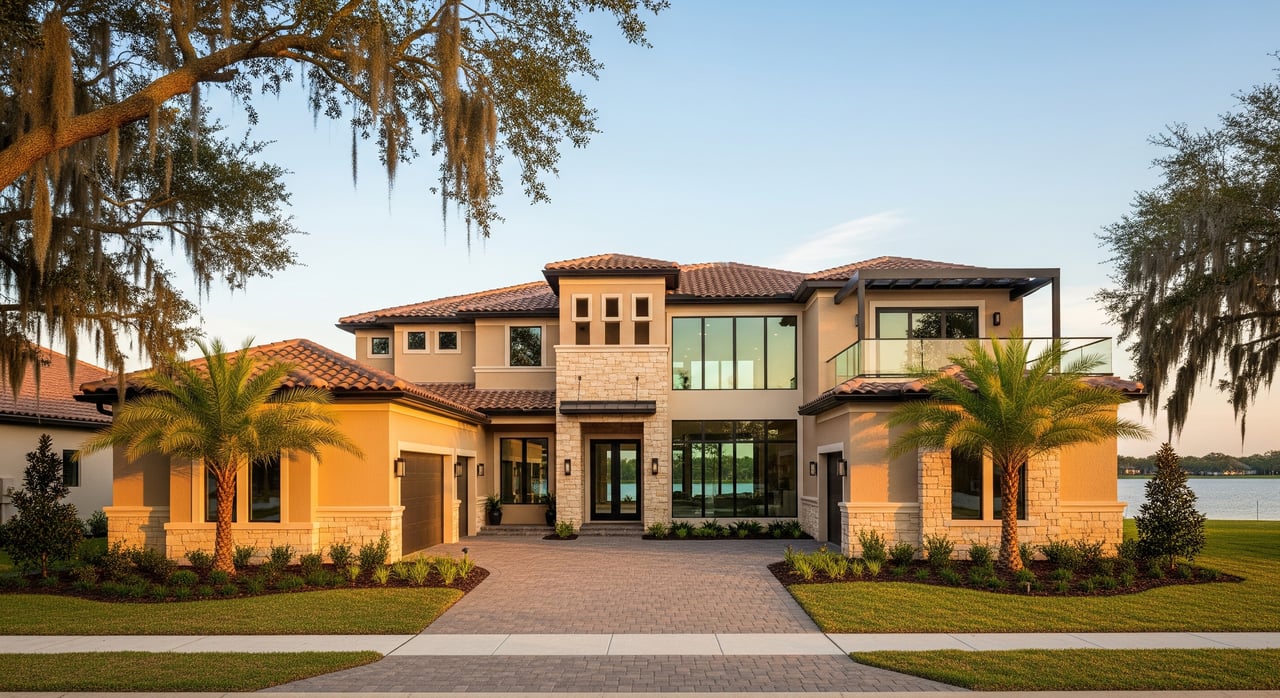
Thinking about a new-build home in Lake Mary but not sure where to start? You are not alone. Between neighborhood types, builder choices, timelines, and fees, it can feel overwhelming. This guide walks you through how Lake Mary new construction really works, what to expect from different communities and builders, how to manage costs, and how a trusted buyer’s agent protects you. Let’s dive in.
Why build in Lake Mary
Lake Mary sits in Seminole County within the Orlando metro, so you get suburban living with access to major job centers. New construction here often includes single-family homes, townhomes, and lifestyle-focused or gated communities. Limited developable land in desirable areas and Florida’s growth can push prices, especially for premium lots and amenity-rich neighborhoods.
You also want to factor in local risks and ownership costs. In Central Florida, wind and storm exposure, lot-specific flood risk, and HOA or possible CDD assessments matter. Before you choose a lot, review the property’s flood zone, estimated insurance costs, and the full HOA and any CDD details for the exact community.
Lake Mary neighborhood types
Master-planned, amenity communities
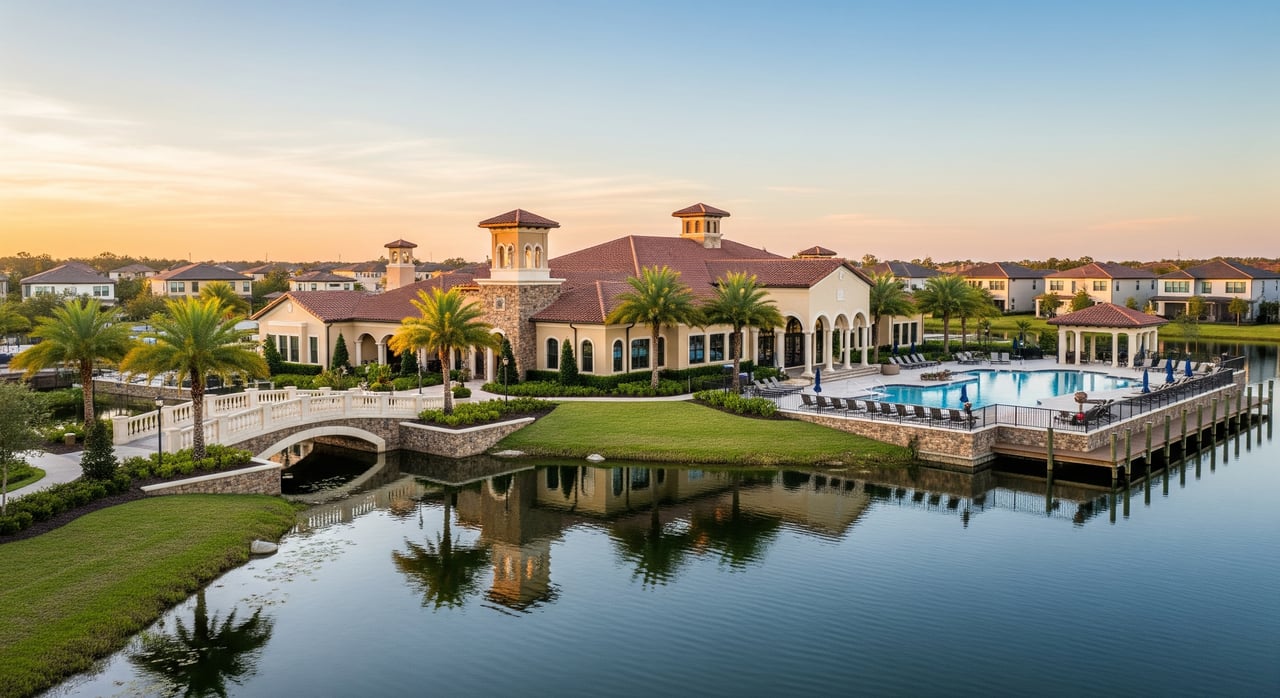
These larger neighborhoods feature clubhouses, pools, parks, and trails. They usually have HOAs and sometimes CDDs that fund infrastructure. Expect coordinated architecture, a social calendar, and strong common-area maintenance. Budget for monthly or quarterly assessments.
Small-lot traditional subdivisions
These are smaller communities with fewer lots and simpler amenities. You may see architectural guidelines and compact yard sizes. They often balance affordability with Lake Mary’s location perks.
Gated and age-restricted (55+) options
Age-targeted communities focus on low-maintenance living and lifestyle amenities. Gated communities can include a range of home sizes and designs. Review HOA rules carefully and confirm what exterior maintenance, landscaping, and services are included.
Townhome and paired-home communities
Attached homes can reduce maintenance and often bring HOA-managed exteriors. You trade private yard space for convenience. HOA fees vary based on services, so compare inclusions across communities.
Infill or lot-fill builds
Some builders offer new homes on individually created lots inside established neighborhoods. Lot size, drainage, and orientation can vary. Check setbacks, easements, and any site constraints before you finalize a plan.
Builders in Lake Mary: what to expect
You will see three main builder types across Seminole County and the broader Orlando area:
- National production builders, such as D.R. Horton, Lennar, KB Home, Pulte, Toll Brothers, or Taylor Morrison. They offer standardized floor plans, design centers, predictable option menus, and warranties. Build cycles are typically faster and pricing is more structured.
- Regional builders. Expect a similar menu-style approach with the potential for more customization than large nationals, plus a design-center experience.
- Custom builders. These deliver a one-off design on an individual lot with maximum flexibility, longer timelines, and more buyer decisions. Warranty structures vary, so get everything in writing.
Builder activity changes over time. Before you commit, verify current communities and offerings through builder documentation and local permitting records, and review model contracts and warranty booklets.
Timelines and inspections you can plan around
Typical build timelines
- Inventory or spec homes that are under construction or finished can close within a few weeks to about 3 months, depending on punch list and staging.
- Quick-move-in homes that are partially complete often take about 3 to 6 months from contract to closing.
- Build-to-order on a developer lot usually takes 6 to 12 months from contract to close. Timing depends on permit queues, lot prep, and your chosen options.
- Full custom builds on private lots can run 9 to 18 months or more, depending on design scope and site conditions.
Weather, heavy upgrade packages, drainage or septic needs, and extended permitting can lengthen timelines. Plan your move with a buffer.
Construction milestones and inspections
Most builds follow a familiar sequence:
- Lot prep and erosion control
- Footings and foundation or slab with pre-pour inspections
- Under-slab plumbing and electrical, if applicable
- Framing and roof sheathing with structural framing inspections
- Rough mechanicals for HVAC, plumbing, and electrical
- Insulation and vapor barrier inspection
- Final inspections and Certificate of Occupancy
Confirm what inspections are required in Seminole County for your specific property and whether third-party inspectors are allowed. Many buyers hire an independent home inspector at pre-drywall and again before closing.
Walk-throughs and punch lists
Expect a pre-drywall walkthrough to review framing and rough-ins, then a final walkthrough about 1 to 2 weeks before closing to build a punch list. A third-party inspection at the final stage often uncovers small items that can be corrected before you move in.
Lots, floor plans, and upgrade strategy
How to choose the right lot
Lot choice affects your day-to-day experience and resale appeal. Common options include:
- Standard interior lots, typically the most affordable
- Premium view, preserve, waterfront, or amenity-facing lots with higher prices
- Cul-de-sac or pie-shaped lots that can offer wider frontage
- Corner or zero-lot-line placements with unique privacy and landscaping needs
- Infill or smaller-lot sites with lower yard work but less space
Compare orientation and sun exposure, drainage and grading, proximity to roads and amenities, HOA landscape rules, and any restrictions on future projects like fencing or pools.
Upgrades that matter most
Focus your budget on what is hard or expensive to change later:
- Structural upgrades, such as garage extensions, covered lanais, plan bump-outs, or foundation changes
- Functional system upgrades, including HVAC capacity, water heater type, plumbing fixtures, and electrical panel capacity or added circuits
- Kitchen and bath packages, since these drive daily enjoyment and future resale value
Cosmetic finishes like flooring, tile, trim, and paint can often be staged later, although retrofitting may still cost more than selecting at build time.
Cost-management tips
- Prioritize structural and system items first. Push cosmetic changes to later phases if needed.
- Use allowances carefully and aim for balanced, mid-range selections to avoid big overages.
- Get line-item pricing for every option and a clear change-order policy with timelines.
- Compare the after-upgrades total to comparable resale homes in Lake Mary.
- Negotiate incentives like closing cost help or rate buydowns, but analyze the net value compared to price or upgrade concessions.
- If the builder offers a preferred lender incentive, shop the terms with independent lenders so you can compare rate, fees, and service.
Financing, fees, and warranties
Financing paths for new construction
- Conventional purchase works well for finished or nearly finished inventory homes.
- Single-close construction-to-perm loans fund the build in draws and convert to a long-term mortgage at completion, which suits custom builds.
- Two-close structures use a separate construction loan that is refinanced or replaced at completion. This adds complexity and costs.
- FHA and VA programs may apply with participating lenders and specific property approvals.
For longer builds, discuss rate-lock options and appraisal timing. Make sure you understand reserve requirements, draw schedules, and lender timelines.
HOA, CDD, and impact fees
Seminole County collects permits and impact fees that vary by project and utility connections. Confirm whether these are included in the home price or passed through to you. If the community has a CDD, its bond repayment appears as a separate line on your annual property tax bill. Review the HOA budget, reserves, and rules to understand monthly costs and any restrictions before you sign.
Warranties and service after closing
Many national and regional builders use a common 1-2-10 style warranty, often described as one year for workmanship, two years for major systems, and ten years for structural elements. Terms vary by builder, so get the warranty document, coverage limits, claim procedures, and dispute resolution details in writing. Note the official warranty start date, typically the closing date or Certificate of Occupancy.
How buyer representation protects you
The on-site sales team represents the builder, not you. A dedicated buyer’s agent protects your interests from contract to close. Here is how that helps:
- Contract clarity. New-build contracts include option deadlines, allowances, completion dates, financing terms, and warranty language that need careful review.
- Market leverage. Your agent can compare competing communities and advise when to ask for upgrades, price concessions, or closing costs.
- Inspection support. Coordination of pre-drywall and final inspections helps catch issues before closing.
- Timeline management. An experienced agent tracks permit status, milestones, and design-center deadlines so you do not miss inclusions or choices.
What a trusted agent should do for you
- Review the builder contract line by line and explain risk points
- Verify lot disclosures, including flood zone, easements, and any CDD
- Coordinate third-party inspections at the right stages
- Negotiate for essential structural or utility upgrades and document them
- Monitor the schedule and follow up with the builder and county as needed
- Help you compare lender options and incentives without pressure
- Lead the final walkthrough, document the punch list, and ensure warranty documents are delivered
- Assist with HOA and CDD document review before you close
Contract red flags to watch
- Vague completion dates without remedies
- Arbitration-only requirements that limit your options
- Change-order rules that allow modifications without your written approval
- Unclear warranty start dates or tight claim timelines
- Requirements to use the builder’s lender without transparent cost comparisons
A simple new-build buyer checklist
- Get the full disclosure packet, including HOA documents and any CDD disclosure
- Verify the lot’s FEMA flood zone and, if available, obtain an elevation certificate and insurance estimate
- Review the community map for easements, future phases, and buffers
- Request warranty documents and design-center deadlines and allowances in writing
- Price out your must-have options and compare the total to similar resale homes
- Confirm what inspections are allowed and when third-party inspectors can access the site
When a new build beats resale, and when it does not
A new home often wins if you want modern design, energy-efficient systems, and low maintenance for the first few years. Inventory or quick-move-in homes can also shorten your timeline while still offering a few choices.
Resale can shine if you want a larger lot, established landscaping, or a lower all-in price once you add options to a new home. The smartest move is to compare the after-upgrades new-build price to comparable resale properties in Lake Mary before you decide.
Your next step
If you are weighing neighborhoods, builders, or lots in Lake Mary, you do not have to navigate it alone. Partner with a local advisor who can compare your options, negotiate smart incentives, manage inspections, and keep your build on schedule from contract to keys. Connect with Nick Amburgey to get a clear plan that fits your timeline and budget.
FAQs
How long does a Lake Mary new build usually take?
- Inventory homes can close in weeks to about 3 months, quick-move-in homes run 3 to 6 months, and build-to-order homes often take 6 to 12 months depending on permits and selections.
What inspections should I schedule for new construction in Seminole County?
- A pre-drywall inspection and a final inspection by an independent new-construction specialist are common, in addition to required county inspections for each build stage.
How do HOA and CDD fees affect my payment on a new home?
- HOA fees are paid to the association for services and amenities, and CDD assessments, if applicable, appear on your property tax bill, so include both in your monthly budget.
Which upgrades should I prioritize during the build?
- Focus on structural and system upgrades that are costly to change later, such as garage extensions, covered lanais, HVAC capacity, and electrical infrastructure.
Do I need a buyer’s agent if the builder has a sales office?
- Yes, the on-site sales team represents the builder; a buyer’s agent represents you, reviews contracts, negotiates incentives, coordinates inspections, and manages deadlines on your behalf.